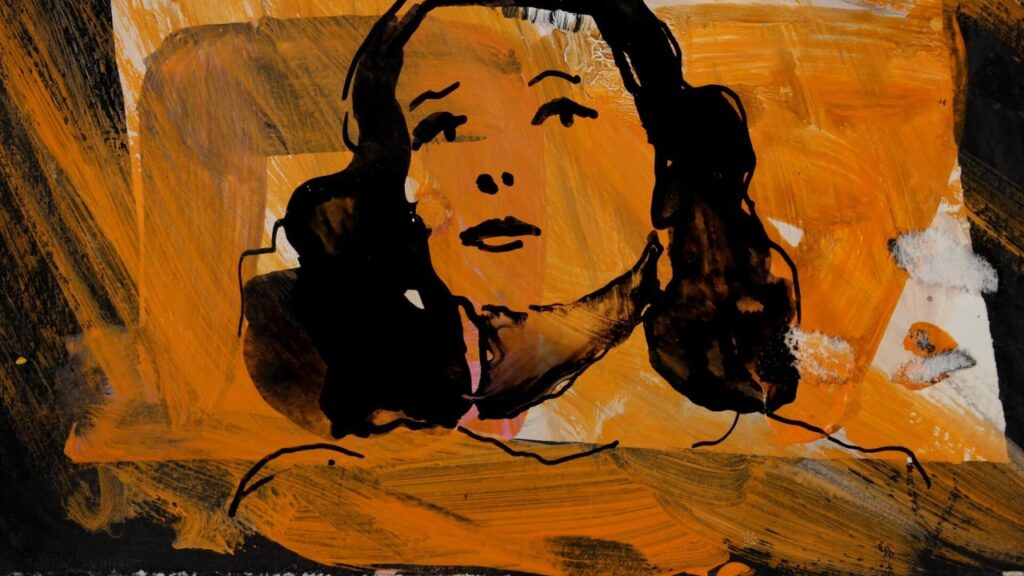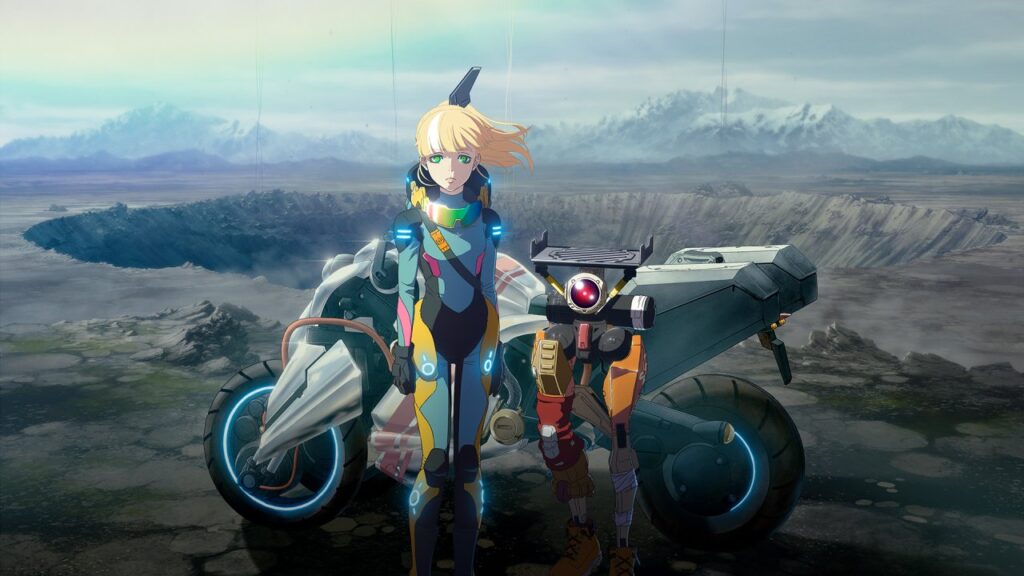
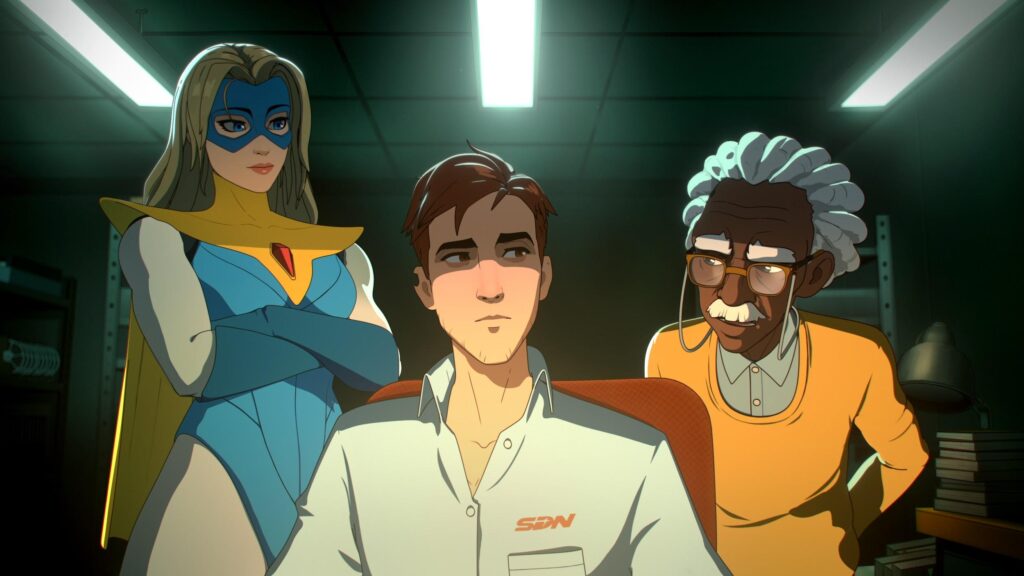
AdHoc Studio's superhero workplace comedy game Dispatch has reached more than five million players, and its first-anniversary update gives audiences a rare opportunity to explore the animation process. A new Storyboard Mode lets Deluxe Edition owners experience the story through original storyboard animatics. The update also adds more than 16 hours of cast and production-team commentary.
From Storyboards to Interactive Storytelling
Unlike games that rely entirely on freely controlled real-time cameras, Dispatch uses carefully directed cinematic sequences. Its footage combines 2D techniques and toon-shaded 3D imagery. Art director Derek Stratton describes a pre-rendered workflow closer to television animation than conventional real-time game development, with finished sequences assembled in Unreal Engine alongside interactive gameplay.
Inside the Production Pipeline
The production used Storyboard Pro for storyboarding, Adobe Premiere for editorial, Autodesk Maya for layout, animation and lighting, Redshift for rendering, Nuke for compositing, Unreal Engine for previs and game assembly, and ShotGrid and SyncSketch for tracking and review. Thailand-based Igloo Studio contributed to the stylized animation pipeline, including variable outline weights and 2.5D matte-painting projection techniques.
Why Storyboard Mode Is Significant
Storyboards are usually intermediate production assets, helping directors plan performances, camera positions and scene progression. Making the original animatics playable allows audiences to compare early visual planning with the completed sequences and better appreciate timing, staging and character acting. It also brings greater visibility to storyboard artists.
A Different Approach to Game Animation
Dispatch highlights the possibilities of combining television-style animation workflows with interactive storytelling. Its stylized, highly directed approach offers an alternative to fully real-time cinematic presentation. The game is also scheduled for Android and iOS on December 9, 2026.