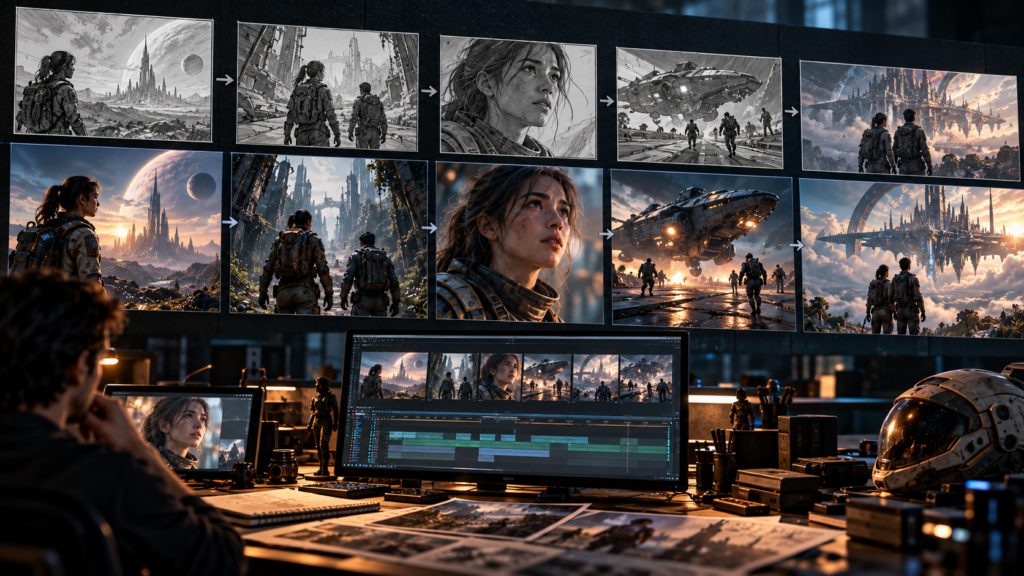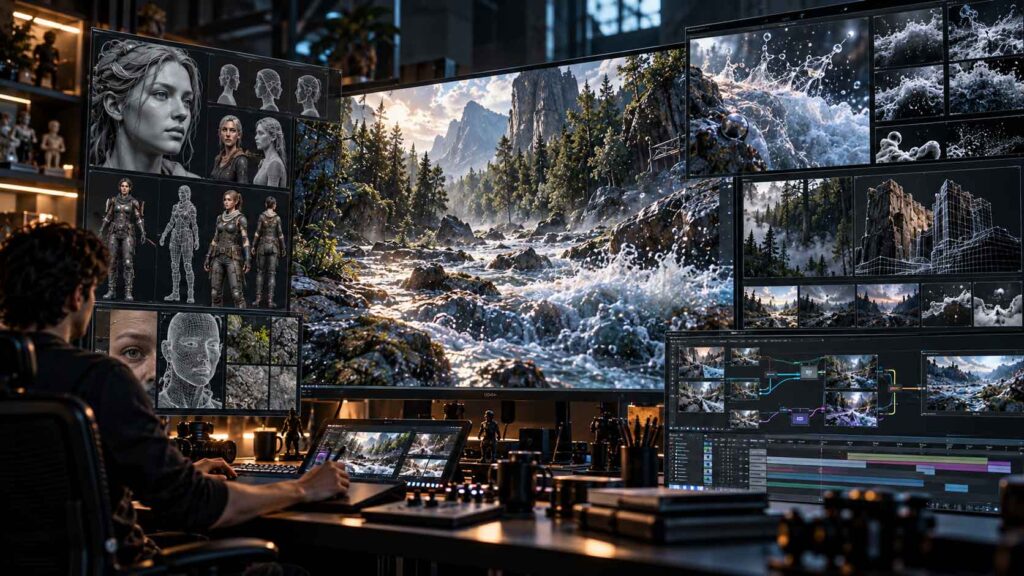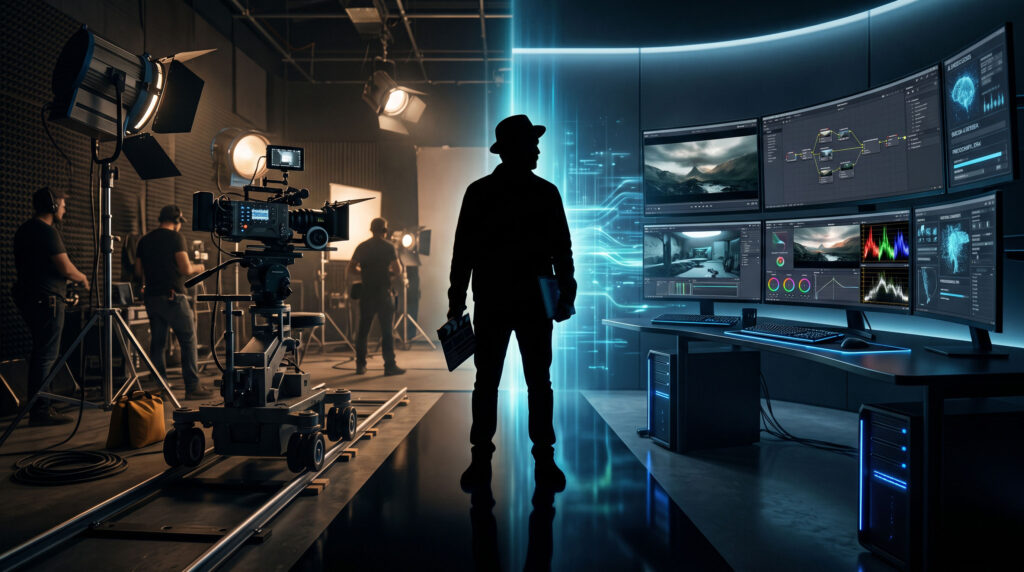
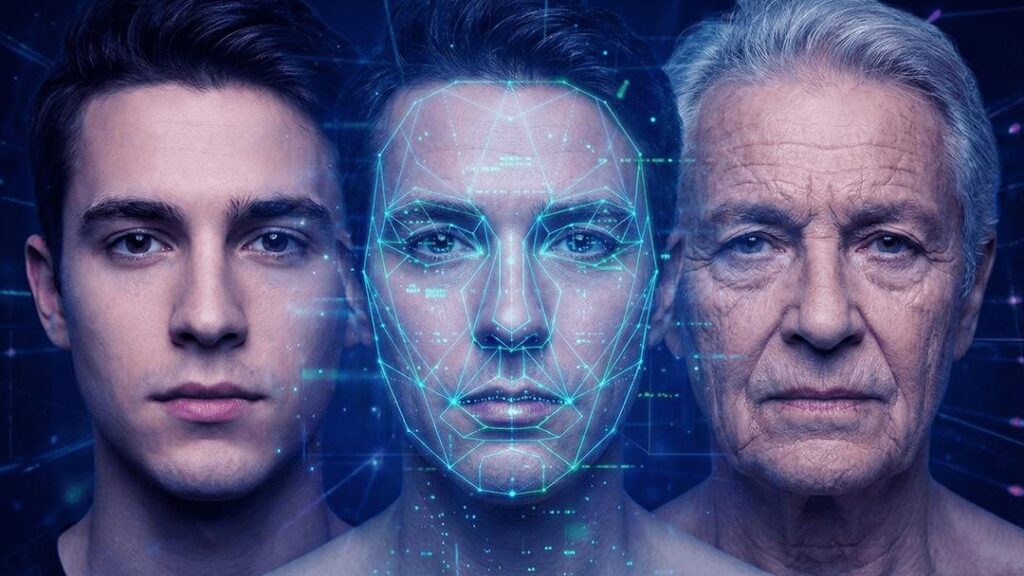
BRAHMA AI has received a 2026 Technology & Engineering Emmy Award for its Neural Performance technology, which enables controlled changes to a performer’s facial appearance while preserving expressions, movement and performance. The recognition highlights how AI is becoming part of professional visual effects and post-production workflows.
The award recognises technology developed for AI-based face replacement and performance-preserving post-production transformation. For film and television, the challenge is not simply to change how a face looks: the technology must preserve the subtleties that make a performance believable, including timing, gaze, expression and movement.
What Is Neural Performance?
BRAHMA AI’s Neural Performance technology is designed to modify a performer’s appearance while retaining the underlying performance. This can support transformations such as changing a character’s apparent age or likeness without recreating the entire scene.
Facial replacement has long been a demanding area of visual effects. Small inconsistencies in eye direction, mouth movement, expression or lighting can make a digital transformation look artificial. AI-based approaches aim to help address these challenges by learning how facial appearance and performance interact, then applying controlled changes while keeping the performance recognisable.
From Here to High-End Production
One notable application was Robert Zemeckis’s film Here, which used visual effects to portray younger versions of Tom Hanks and Robin Wright. BRAHMA AI says its technology enabled younger versions of the actors to be visualised on set in near real time and reports that the system delivered approximately one hour of final 4K transformation for the finished film.
The production illustrates why performance preservation matters. An age transformation must do more than alter facial features: it needs to maintain the actor’s timing, expressions and emotional delivery. When the transformation is integrated successfully, the audience can remain focused on the character and story rather than the visual effect.
Why Performance Preservation Matters
Traditional digital face replacement can involve tracking, compositing, facial reconstruction and detailed artist-led corrections. Generative AI offers additional tools, but professional results still depend on control, continuity and careful review.
A convincing transformation must remain stable from frame to frame. Facial features cannot drift unpredictably, expressions must follow the performance, and changes must remain consistent when the actor turns, moves or enters different lighting conditions. AI does not remove the need for creative supervision: artists still need to evaluate whether the result supports the performance and meets the production’s quality standards.
Beyond De-Aging
Performance-preserving technology may support controlled face replacement, digital character work, visual continuity adjustments and localisation workflows that require changes to facial appearance or speech presentation.
BRAHMA AI has also highlighted the use of its technology for English-language lip-sync in Ramayana, positioning performance preservation as a tool for adapting content for international audiences. These applications suggest that AI-driven facial technology may extend beyond traditional visual effects into broader production and distribution workflows.
What the Engineering Emmy Recognition Means
The Technology & Engineering Emmy Awards recognise developments that have made a meaningful contribution to television and media technology. BRAHMA AI was recognised alongside other technology and VFX organisations for work associated with AI-based face replacement and performance-preserving post-production transformation.
For VFX artists and supervisors, the opportunity is to combine machine-assisted transformations with established production practices, using AI where it improves efficiency while maintaining artistic control and quality. Its long-term value will depend on reliability, repeatability and how well it fits into existing film and television pipelines.
Official Information
Sources: Television Academy, BRAHMA AI and Prime Focus Group.