Stylized elemental effects rely on more than realistic fluid simulation. Layered water materials, animated geometry and foam can create dynamic effects that remain readable in games and cinematic sequences.
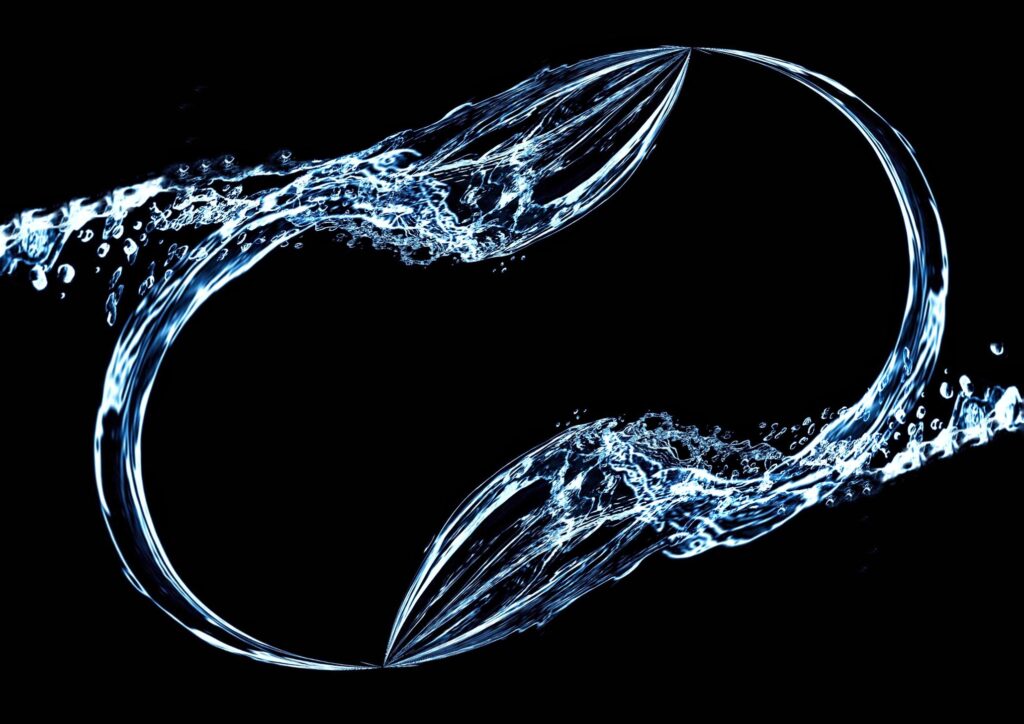
A breakdown published by 80 Level explores a water effect inspired by Avatar: The Last Airbender, showing how coordinated materials, animated forms and surface details can create an expressive result.
Building the effect in layers
Broad blue shapes establish the silhouette, darker patches add depth, and lighter foam and small splashes communicate turbulence. Animated meshes create sweeping ribbons of water that curl around characters or move through an environment while keeping the overall shape under artistic control.
Using noise to control the look
Noise maps break up smooth surfaces and control how an effect changes over time. They can dissolve edges and introduce irregular patterns. Balance is important: too much noise can make the effect difficult to read, while too little can make it look flat.
Why this workflow matters for game VFX
Real-time effects must balance visual quality, performance and readability. Combining meshes, materials and particles can offer more artistic control than relying exclusively on expensive simulations. Separate layers also make it easier to iterate on shape, colour, turbulence and timing.
The broader lesson is that convincing stylized effects depend on deliberate visual design. Strong silhouettes, controlled motion and well-placed surface detail can matter as much as physical accuracy.
Source: 80 Level artist breakdown