The MetaWrap Blender MetaHuman workflow aims to convert custom 3D characters into MetaHuman-compatible assets using topology wrapping, texture transfer and grooming tools.
Character artist Elvis Morelli has released MetaWrap, a Blender tool suite designed to adapt existing 3D characters for Unreal Engine's MetaHuman ecosystem. Reported on October 29, 2026, the software supports sculpts, scans and AI-generated models.
MetaWrap Blender MetaHuman Workflow Explained
What Is MetaWrap?
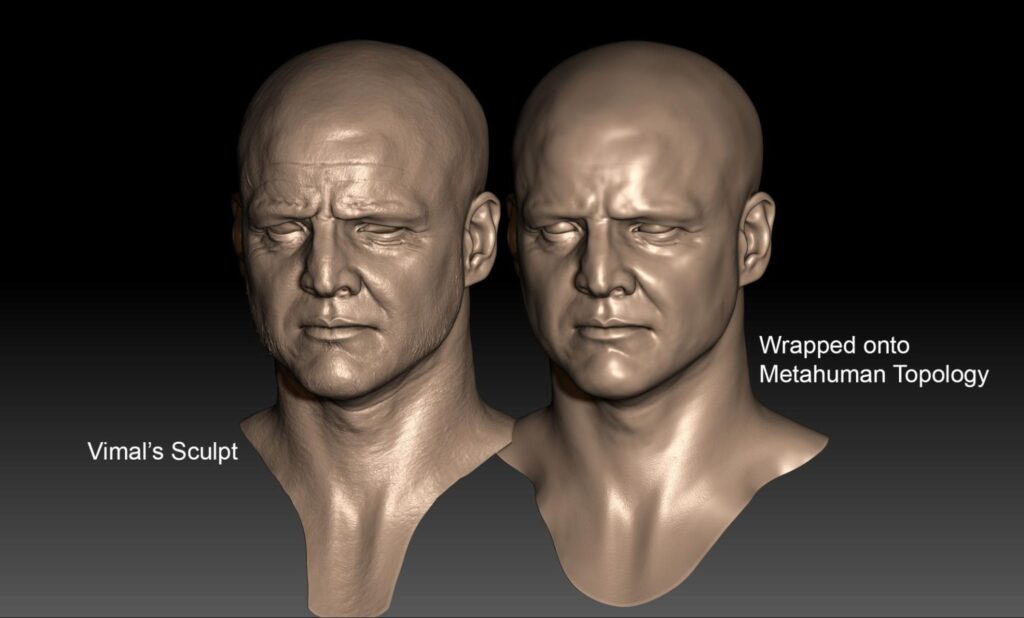
MetaWrap adapts character geometry to MetaHuman-compatible topology, allowing artists to bring custom designs into a standardized digital-human workflow. Its step-by-step process can operate automatically or be guided by user-selected landmarks.
Converting Existing Models
Artists can work with complete characters or individual heads, including detailed sculpts and 3D scans. Landmark controls help align unusual facial proportions with target topology, while the workflow is designed to preserve the original character's recognizable appearance.
Texture Transfer and Smart Paint
Texture transfer maps source materials onto MetaHuman UV layouts. Smart Paint provides tools for correcting smaller artifacts that can appear during conversion, particularly when source UVs differ from the target.
MetaSculpt for Facial Details
MetaSculpt is designed to recover details such as wrinkles and skin folds from scans and to create custom expression-related wrinkle maps. Fine facial detail is an important part of believable digital-human animation.
MetaGroom for Hair
MetaGroom supports transferring hair grooms between Unreal Engine and Blender. Artists can edit and combine grooms in Blender before using them in a character pipeline.
Compatibility and Pricing
At launch, the tool is reported to support Blender 5.0 and later, Unreal Engine 5.6 and later, and Windows. CG Channel reports a price of $158. Prospective users should verify current requirements and licensing before purchase.
Why It Matters
MetaWrap addresses repetitive work involved in turning custom character assets into rigged digital humans. Its appeal spans independent games, animation, visualization and VFX, although conversion quality will vary with source geometry and production requirements.
Related on Zgian: Adobe and NVIDIA's AI creative workflow partnership.