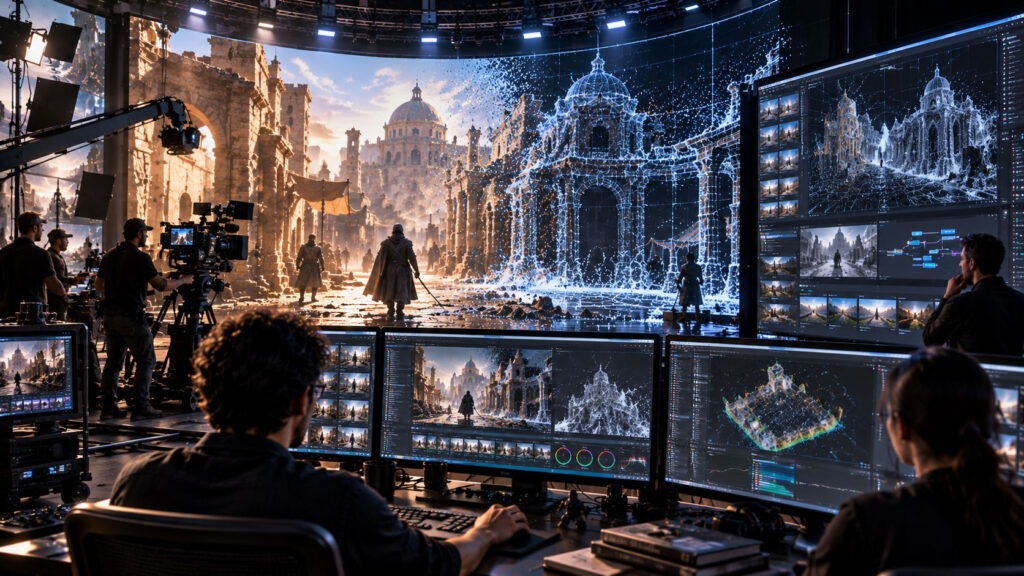
VFX is the broader production process of creating or integrating visual elements that cannot be captured completely in-camera. CGI is computer-generated imagery: digital images and elements created with computer graphics.
VFX
VFX can include compositing, roto, paint, tracking, set extensions, CG, simulations, green-screen work and invisible cleanup. It is a production discipline.
CGI
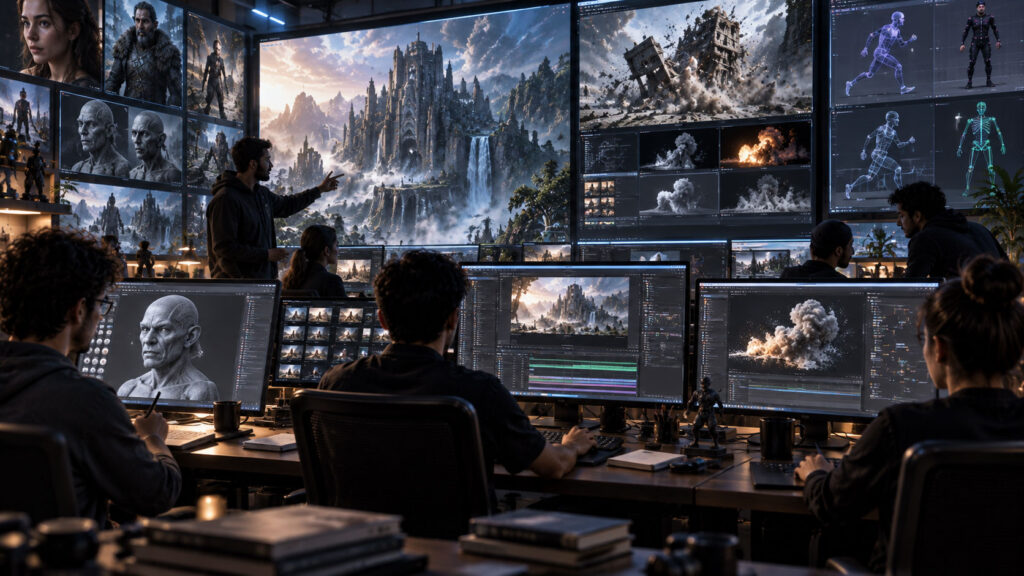
CGI refers to imagery generated with computers, such as characters, environments, vehicles, props, simulations and rendered effects.
How They Overlap
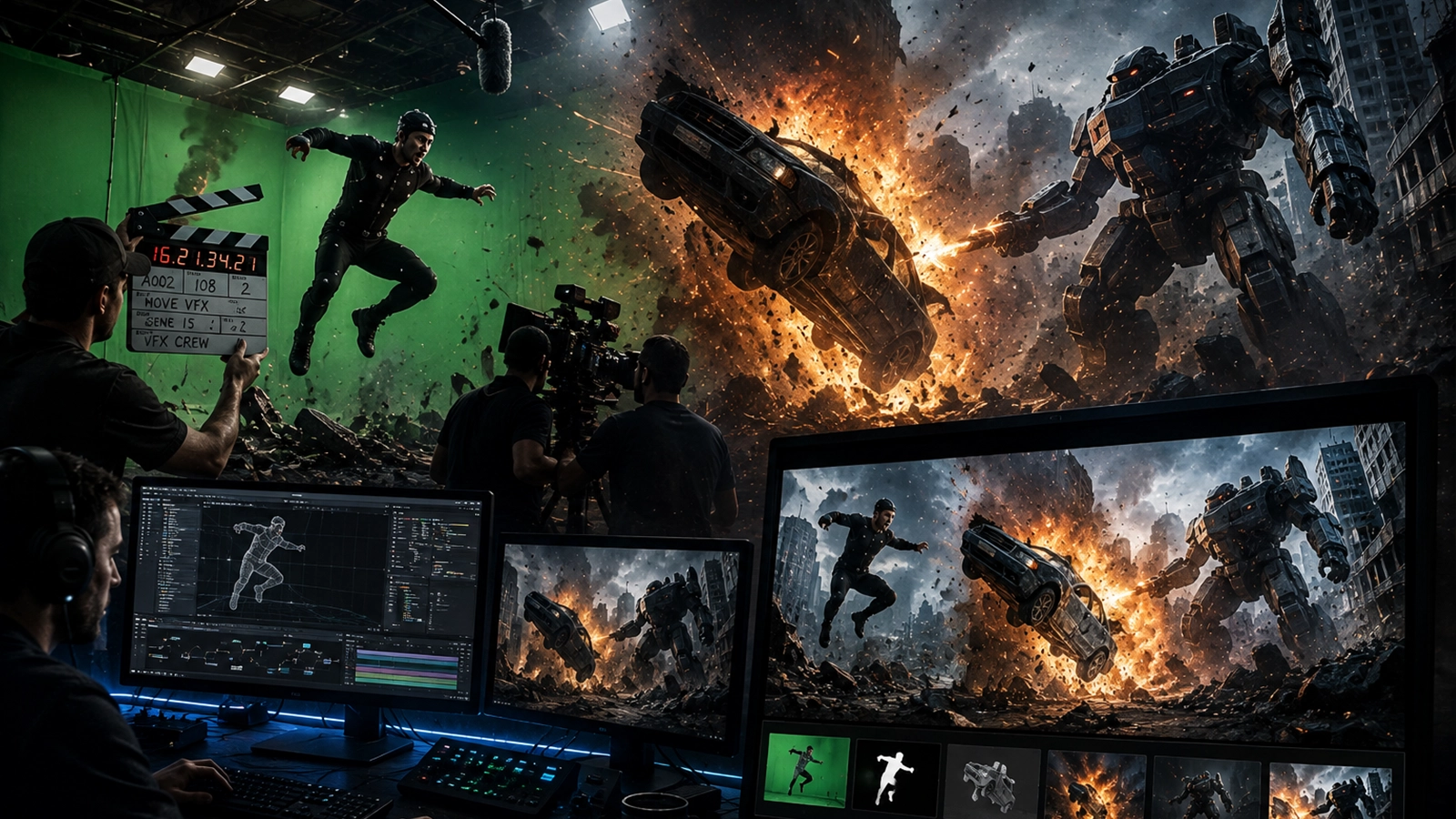
A movie shot can contain both. A CG spaceship is CGI; placing that spaceship into a live-action plate, matching the camera and integrating its light, atmosphere and lens response is part of the VFX process.
Simple Example
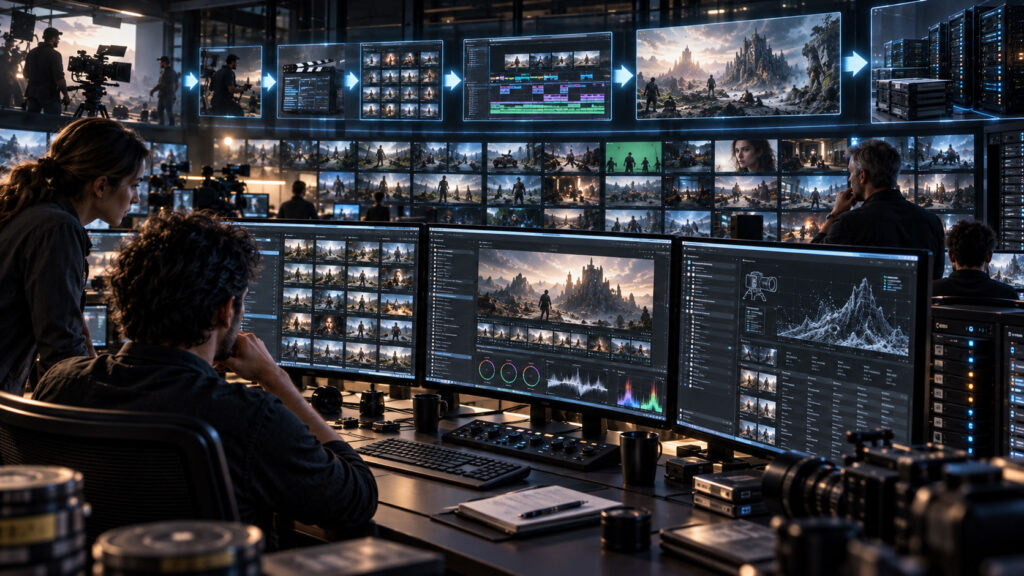
Live plate → tracking → CG asset → lighting/render → compositing → final VFX shot.
Related Guides
What Is VFX? · How Is CGI Made? · CGI vs VFX · VFX Hub
Where VFX vs CGI: What’s the Difference? fits in the production workflow
VFX vs CGI: What’s the Difference? is best understood as part of a wider creative and technical pipeline. Depending on the project, it may connect with compositing, rotoscoping, matchmoving, green screen, and vfx pipeline. Understanding those relationships helps artists choose an efficient workflow instead of treating a technique or software feature in isolation.
What to evaluate on a real project
- What is the intended final output and what quality level is required?
- Which parts of the shot are best handled manually, procedurally, or with tracking/automation?
- How will the work be reviewed, revised, versioned and handed off to the next department?
- What happens when lighting, motion blur, transparency, perspective or other difficult shot conditions change?
Related Zgian guides
Editorial note: software interfaces and AI capabilities change over time. Check current vendor documentation before relying on version-specific features.